
Huanmei Wu
PITemple University
DREAM-KG is an open knowledge network designed to partially address homelessness by integrating social, economic, environmental, and political factors into a structured and interpretable knowledge graph.
Building a knowledge graph to support people experiencing homelessness, front-line workers, community organizations, and policy stakeholders.
This project aims to create a knowledge graph, DREAM-KG, that provides a comprehensive understanding of the social, economic, and political factors that contribute to homelessness, while organizing existing services and resources to support people experiencing homelessness.
The primary users of the system include people experiencing homelessness, front-line case workers, law enforcement agents, non-profit organizations, and federal agencies. DREAM-KG will help users understand structural factors, effective intervention methods, community resources, cultural nuances, and policy knowledge from local to federal levels.
The project uses topological data analysis, artificial intelligence models, and ontology techniques for data acquisition, integration, and analysis. By combining geometric theory, explainable AI, and semantic technologies, the project aims to advance AI applications, bridge AI and homelessness research, and offer novel solutions for homelessness prevention.
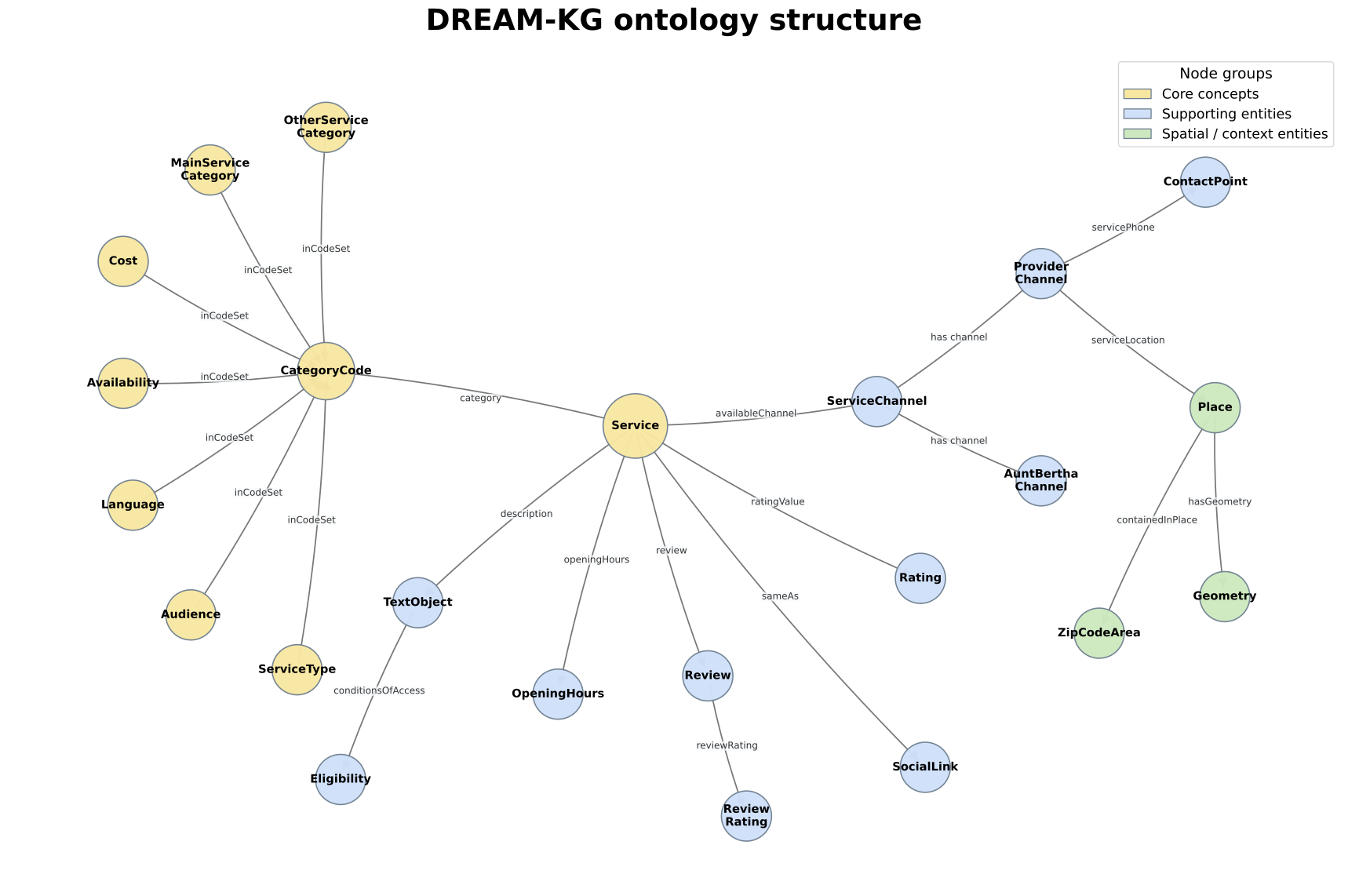
The DREAM-KG ontology organizes homeless-service information into a semantic structure centered on schema:Service. It connects services with categories, eligibility descriptions, contact channels, locations, languages, reviews, ratings, and geospatial context.
Each service node is linked to structured category codes such as service type, cost, availability, language, and target audience. Supporting entities describe access channels, phone contacts, opening hours, textual descriptions, eligibility requirements, reviews, and ratings. Spatial entities connect service locations to ZIP-code areas and geometries, enabling location-aware search and neighborhood reasoning.
DREAM-KG brings together researchers, domain experts, developers, and community-facing technology partners across multiple institutions.
Temple University

University of California, Riverside
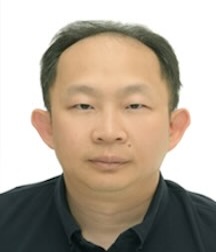
Temple University

The University of Texas at Austin

Temple University
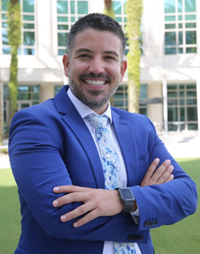
University of Central Florida

Temple University

National Institute of Mental Health

Shelter App
Shelter App

University of California, Riverside

Temple University
The University of Texas at Austin

The University of Texas at Austin

The University of Texas at Austin
Temple University

Temple University